Spring HVAC Checklist for North Carolina Homeowners
As winter fades and warmer temperatures begin to settle across North Carolina, spring is the perfect time to prepare your HVAC system for the months ahead. With humid summers and rising temperatures on the horizon, ensuring your heating and cooling system is running efficiently can help prevent unexpected breakdowns and costly repairs. A seasonal HVAC checkup also improves comfort, energy efficiency, and indoor air quality throughout your home.
By following a simple spring HVAC checklist, North Carolina homeowners can keep their systems performing reliably before the summer heat arrives.
Replace or Clean Air Filters
One of the easiest and most important maintenance tasks is replacing or cleaning your HVAC air filters. Over time, filters collect dust, pollen, pet dander, and other airborne particles. When filters become clogged, your HVAC system has to work harder to circulate air throughout your home.
During spring—when pollen levels in North Carolina are often high—it’s especially important to check filters regularly. Replacing them every 1–3 months can help maintain healthy indoor air quality and improve system efficiency.
Inspect Your Thermostat
Your thermostat plays a key role in maintaining comfortable indoor temperatures. Spring is a great time to test your thermostat to ensure it responds properly and accurately controls your HVAC system.
If your home still uses an older manual thermostat, you may want to consider upgrading to a programmable or smart thermostat. These modern options allow you to automate temperature adjustments and reduce energy use, helping lower utility bills during the warmer months.
Clear Debris Around the Outdoor Unit
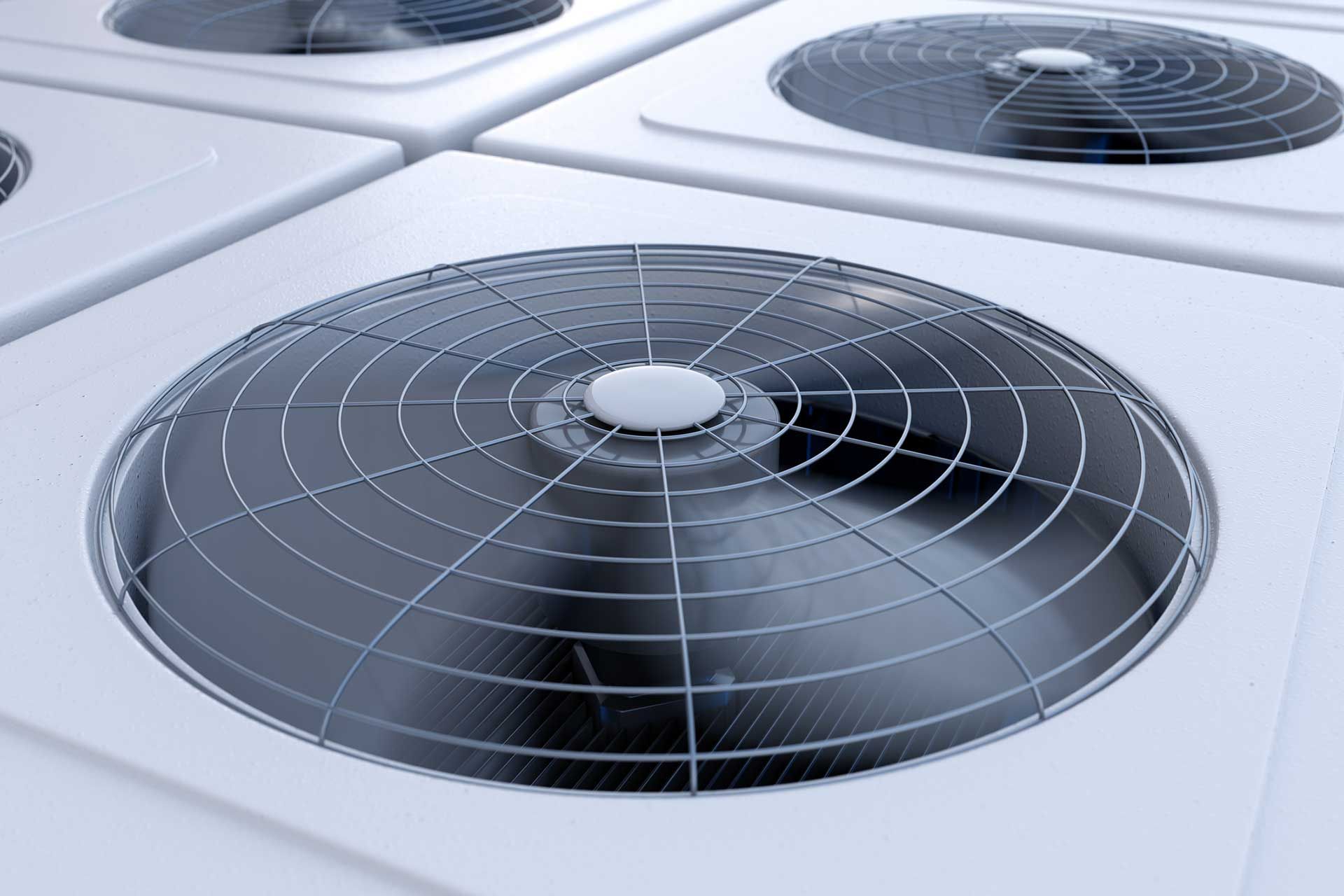
Your outdoor condenser unit can collect leaves, dirt, grass clippings, and other debris during the fall and winter. These obstructions can block airflow and reduce the system’s ability to release heat effectively.
Take a few minutes to clear debris around the unit and trim back any plants or shrubs that may be growing too close. Ideally, there should be at least two feet of clear space around the condenser to allow proper airflow.
Check Air Vents & Ducts
Blocked or dirty air vents can limit airflow and cause uneven cooling throughout your home. Walk through your home and make sure vents are not covered by furniture, rugs, or curtains.
It’s also a good time to visually inspect accessible ductwork for signs of dust buildup, loose connections, or damage. Proper airflow through clean ducts helps your HVAC system operate more efficiently.
Test Your Air Conditioning System
Before temperatures climb into the 80s and 90s, turn on your air conditioner and run it for a short period of time. Listen for unusual noises, check that cool air is coming from the vents, and ensure the system cycles on and off properly.
Testing your system early in the season gives you time to address potential issues before the summer demand puts extra stress on your equipment.
Schedule Professional HVAC Tune-Ups & Repair Work
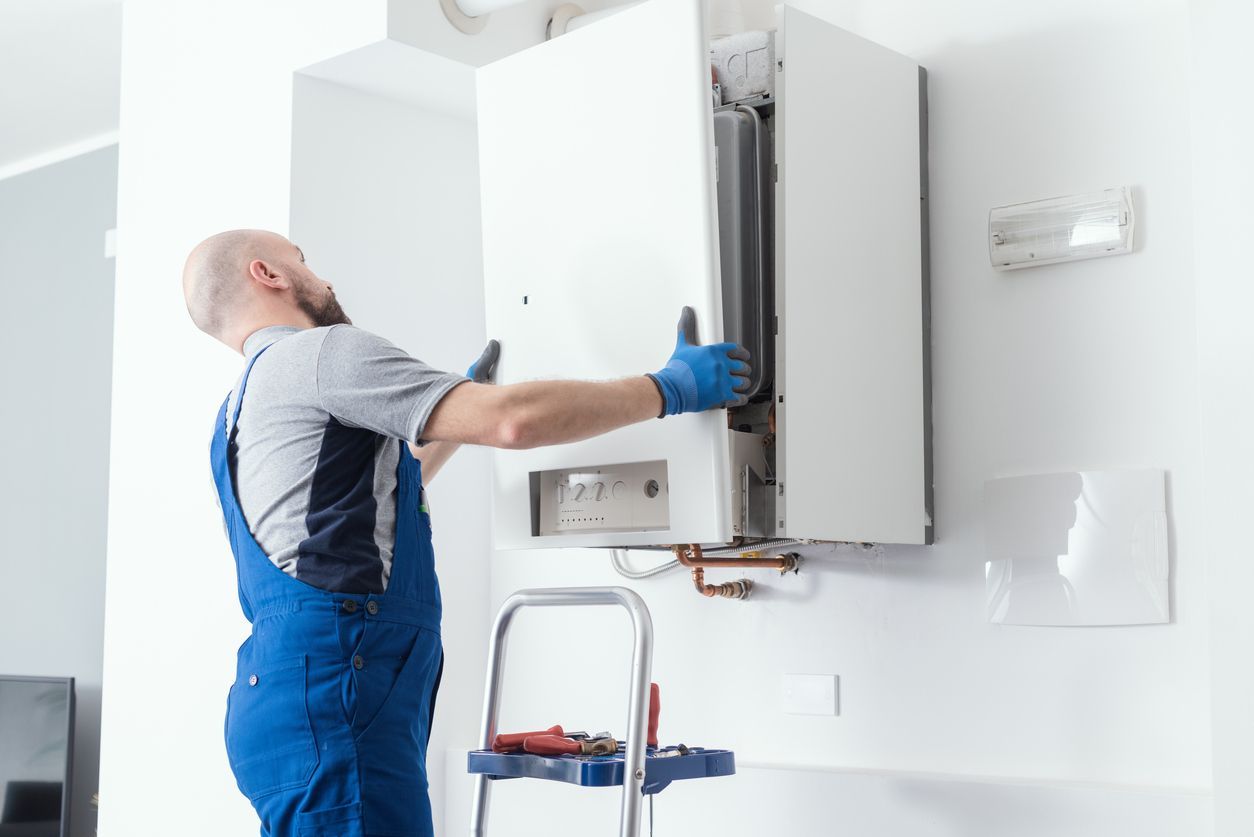
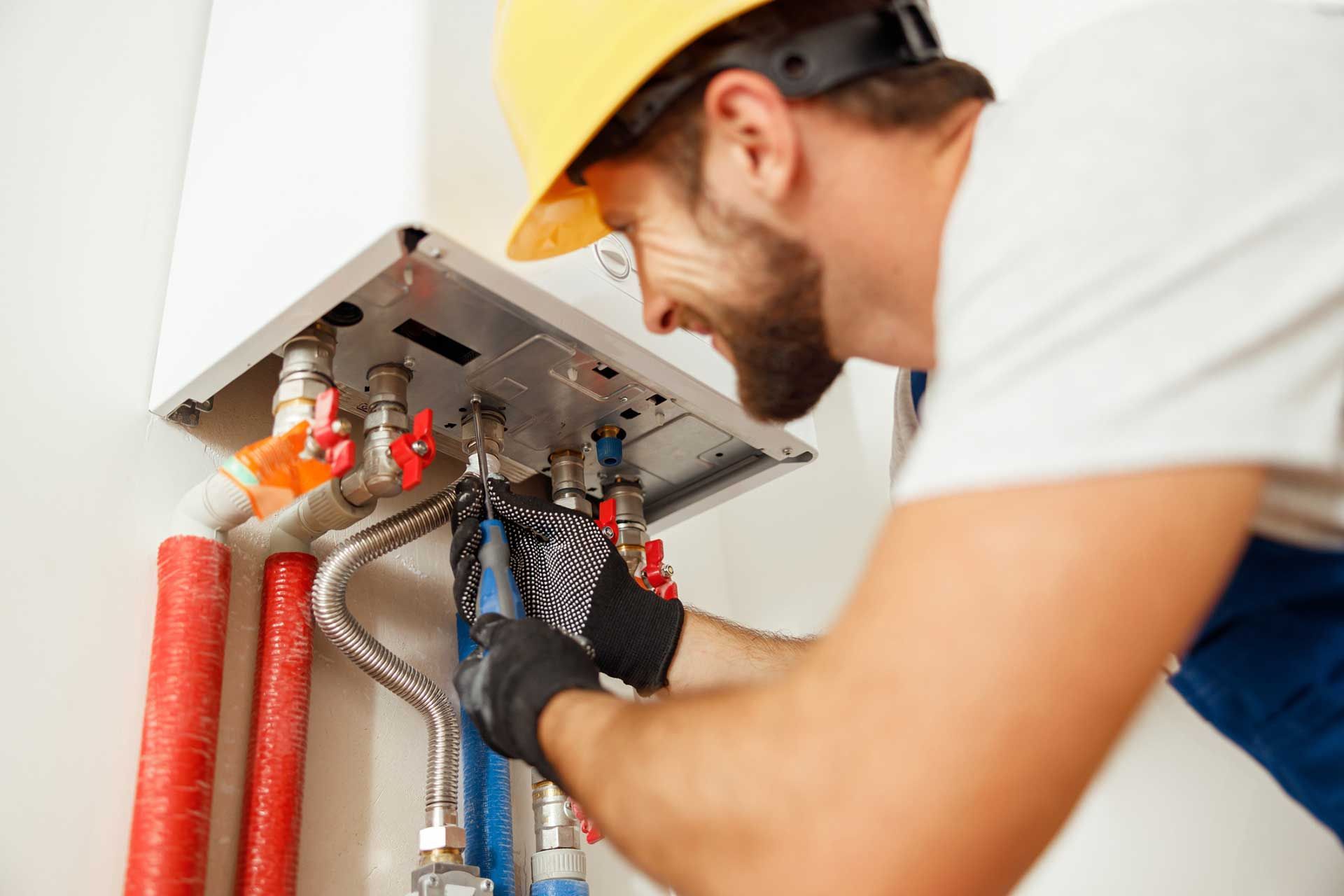
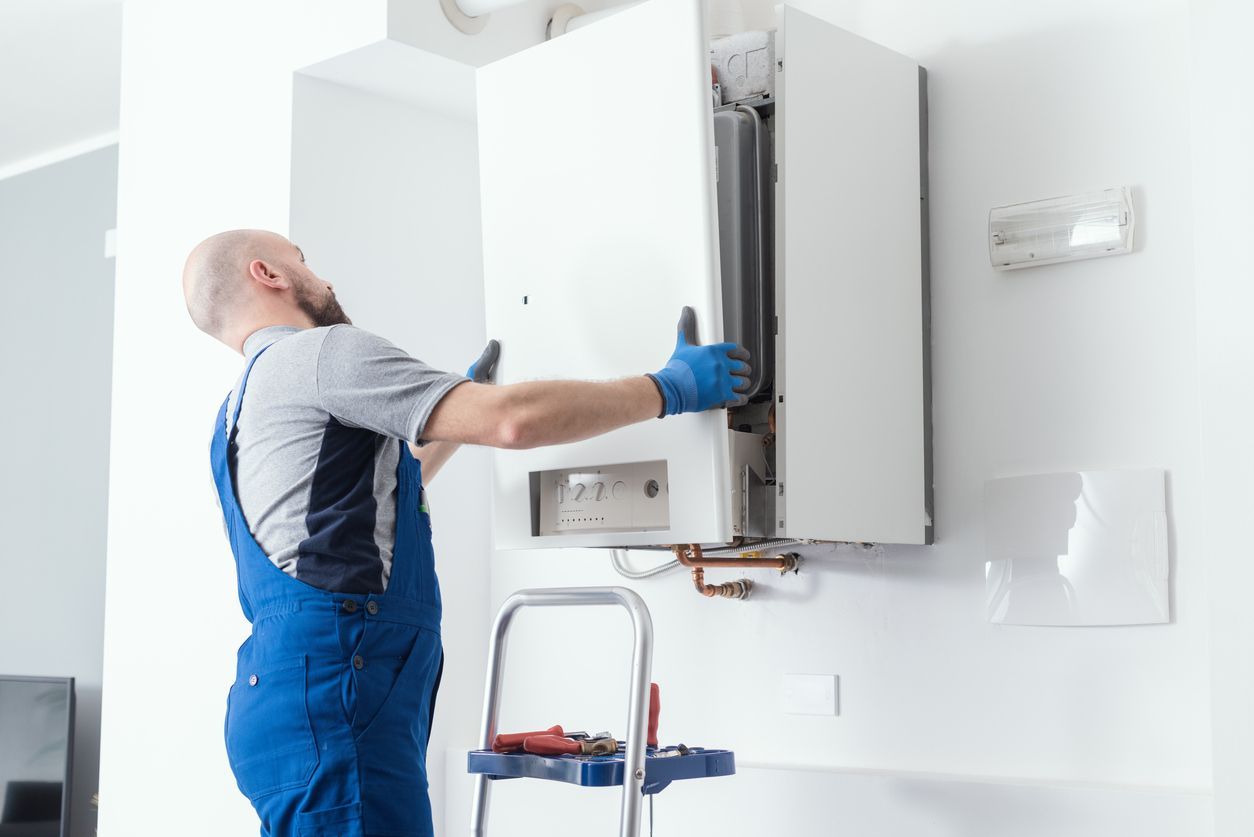
While homeowners can handle several basic maintenance tasks, a professional HVAC inspection provides a deeper level of care. A trained technician can inspect electrical components, check refrigerant levels, test system performance, and identify potential issues before they turn into major repairs.
Scheduling a spring tune-up helps ensure your HVAC system is ready to handle North Carolina’s long, hot summers. Keeping this in mind, the certified technicians at Clear Comfort Plumbing, Heating & Cooling are standing by to provide support. Our HVAC repair team is proud to provide versatile support across the Holly Springs, Apex, and Fuquay Varina, NC regions. All you have to do is contact one of our knowledgeable representatives to request assistance!